Senate Democrats Deliberate Clarity Act Amidst Crypto Ethics Concerns
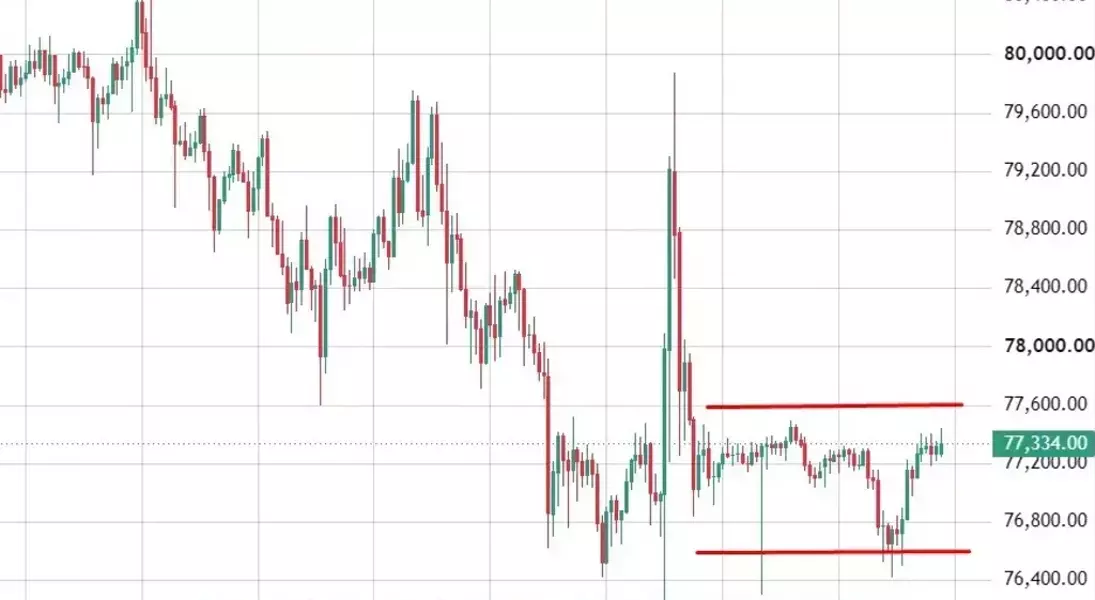
Senate Democrats recently gathered to evaluate the Clarity Act, a critical piece of legislation intended to establish a regulatory framework for the cryptocurrency market. This meeting was held in advance of a significant cloture vote scheduled for Tuesday. A major point of contention revolves around ethics clauses designed to mitigate potential conflicts of interest related to former President Trump's involvement in cryptocurrency ventures. The path forward for this bill hinges on securing substantial bipartisan backing, as current uncertainties suggest a volatile trading environment for Bitcoin and Ethereum leading up to the vote.
Senate Democrats Weigh Clarity Act Before Crucial Vote; Crypto Markets React Cautiously
On a recent Sunday evening, Senate Majority Leader Chuck Schumer convened a closed-door caucus meeting for Democratic senators. The central topic of discussion was the Clarity Act, a proposed bill aimed at structuring the cryptocurrency market, ahead of a critical cloture vote slated for 2:15 PM ET on Tuesday, September 15. The legislation, which has been under negotiation for months among approximately a dozen Democratic senators, still faces several unresolved disputes. One primary sticking point is an ethics provision designed to prevent federal officials, including former President Trump, from profiting unduly from cryptocurrency activities. This issue has stalled the bill's progress since it passed the House in 2025. A bipartisan compromise proposed by Senators Thom Tillis and Ruben Gallego, suggesting a ban on federal officials and judges from sponsoring digital assets and requiring divestment or blind trusts, remains awaiting a response from the White House since late July. Key senators involved in these ongoing discussions include Kirsten Gillibrand, Mark Warner, Ruben Gallego, Lisa Blunt Rochester, Andy Kim, and Angela Alsobrooks. The upcoming vote is procedural, requiring 60 votes simply to initiate debate on the bill. Given that Republicans hold 53 seats and at least two are expected to defect on procedural grounds, supporters will need close to nine Democratic votes. As of the weekend, no Democratic senator had publicly committed to supporting the motion, indicating a challenging path forward. Historically, Bitcoin and Ethereum have shown short-term, headline-driven reactions to Clarity Act news, with past delays causing brief price drops and progress reports leading to quick rebounds. A successful cloture vote would merely open debate, signaling a longer process rather than an immediate resolution for crypto regulation. Conversely, a failed vote could effectively close the legislative window for crypto market structure this year, as warned by White House adviser Patrick Witt, due to limited floor time before the November midterms.
The impending cloture vote on the Clarity Act underscores the intricate challenges of integrating emerging technologies into existing legal and ethical frameworks. The current debate highlights the critical need for clear, comprehensive regulatory guidelines in the burgeoning cryptocurrency market. Beyond the immediate legislative outcome, this situation emphasizes how political considerations and ethical concerns can significantly influence technological advancement and market stability. It serves as a reminder for market participants to approach policy developments with a discerning eye, understanding that initial headlines often represent only the beginning of a much longer, more complex journey toward concrete regulatory implementation.