Unlocking Health: Key Supplements for Cholesterol Management
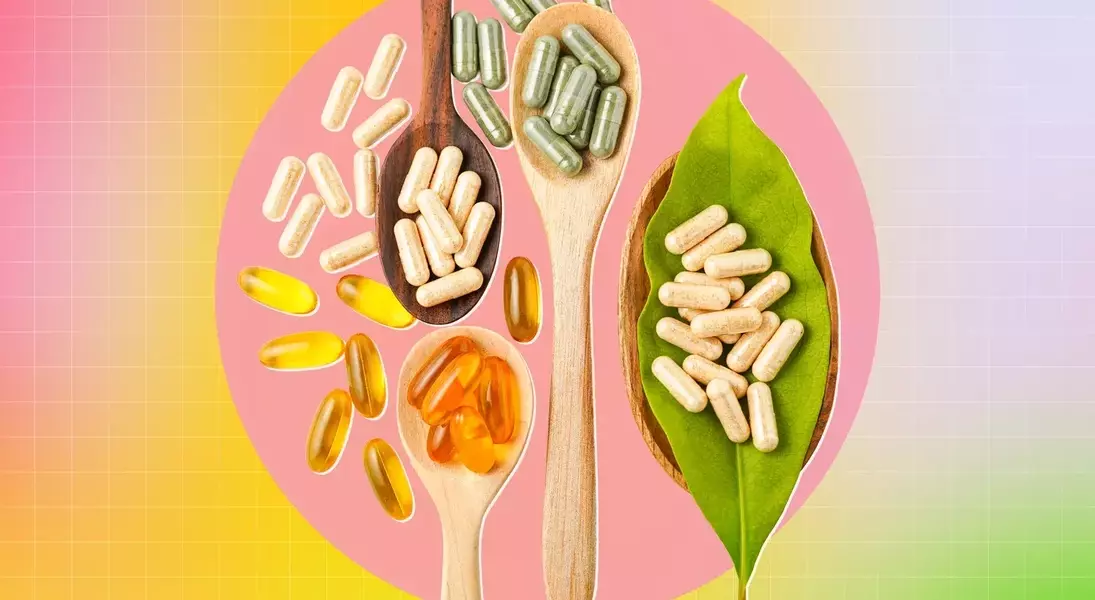
While a nutritious diet is fundamental for addressing elevated cholesterol levels, certain nutritional aids can complement these efforts. Dietary experts highlight the synergistic role of specific supplements when dietary adjustments alone prove insufficient. High cholesterol, often symptomless until detected through blood tests, affects a significant portion of the adult population and elevates the risk of serious conditions like atherosclerosis, which can lead to heart attack or stroke. Given that factors such as age and genetics are beyond our control, lifestyle and dietary modifications become paramount. Incorporating whole grains, fruits, and vegetables, along with increased physical activity, serves as the initial and most crucial defense. However, for those seeking additional support, scientific evidence points to the potential benefits of certain supplements.
\nAmong the supplements recognized for their cholesterol-regulating properties, Omega-3 fatty acids (DHA and EPA) stand out. These compounds have been shown to positively influence blood lipid profiles, specifically reducing triglyceride and non-HDL cholesterol levels. Although dietary sources like fatty fish offer these beneficial fats, supplementation can bridge nutritional gaps for many. Plant sterols, with their structural resemblance to cholesterol, effectively inhibit cholesterol absorption in the digestive tract, thereby lowering LDL ('bad') cholesterol without impacting HDL ('good') cholesterol. Psyllium husk, a soluble fiber, also contributes to cholesterol reduction by binding to bile acids in the intestines, facilitating their removal from the body. Lastly, soy protein has demonstrated efficacy in reducing total cholesterol and increasing HDL cholesterol, primarily by modulating the liver's cholesterol production and enhancing LDL clearance from the bloodstream. It is important to note that whole food sources of soy protein tend to yield better results than isolated protein supplements, due to the comprehensive nutritional benefits they provide.
\nIt is crucial to remember that supplements are complementary tools, not substitutes, for a healthy lifestyle. Beyond supplementation, maintaining a heart-healthy diet low in saturated fats, consuming ample fruits and vegetables, and enjoying fatty fish regularly are vital. Physical activity, such as a consistent walking routine, significantly improves cholesterol profiles and mitigates stress. Additionally, abstaining from smoking and moderating alcohol consumption are imperative steps towards optimal cholesterol management. These integrated approaches, combined with professional medical guidance, empower individuals to proactively manage their cholesterol levels and foster enduring well-being. By embracing these principles, we can cultivate a healthier future, characterized by vitality and resilience.