Yamaha Withdraws from Qatar Grand Prix Amidst Middle East Tensions
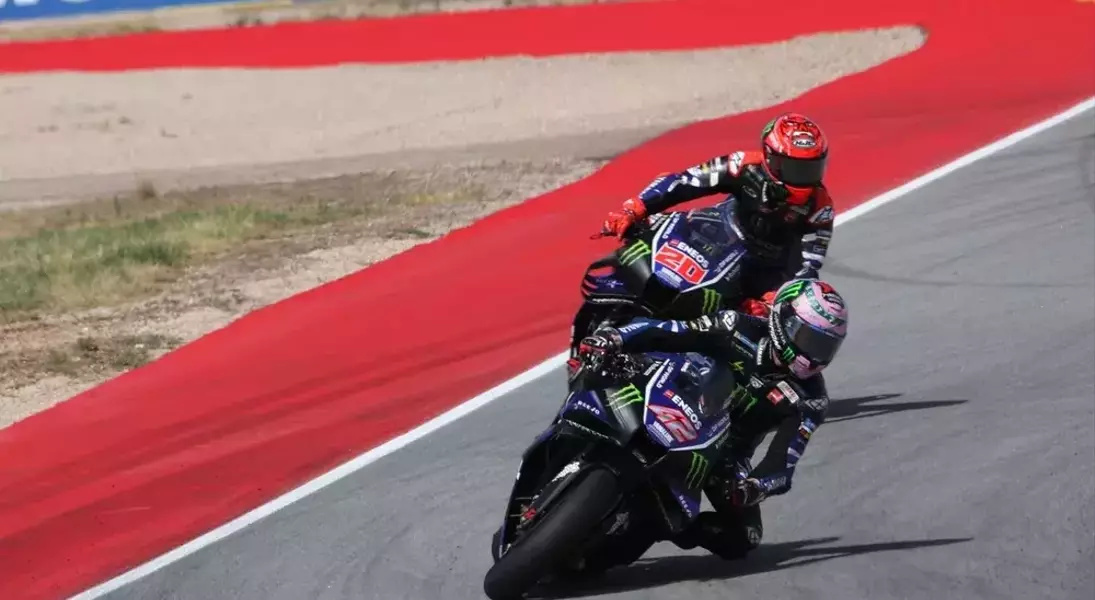
Yamaha has officially declared its non-participation in the forthcoming Qatar Grand Prix, scheduled to be held next week in Doha. This decision, announced on Sunday, is a direct consequence of the escalating geopolitical instability in the Middle East region. The Japanese manufacturer invoked a specific clause within its internal company policies, which prohibits employees from traveling to areas affected by ongoing conflicts, thereby enforcing a travel ban for its team members.
The withdrawal means that the factory Yamaha squad will not compete in the 20th round of the season at the Losail International Circuit from November 6-8. This boycott could potentially extend to their satellite team, Pramac, further highlighting the widespread impact of the decision. Despite persistent efforts by MotoGP organizers to ensure the safety of all personnel, including a recent visit by deputy CEO Carlos Ezpeleta to Qatar to secure assurances from local authorities, Yamaha deemed the situation too unpredictable, especially with impending mid-term elections in the US and various countries advising against travel to the region.
In a formal statement, Yamaha underscored that its decision was based on a thorough assessment of available information and stands independently of the measures implemented by MotoGP Group and the event organizers. The company reaffirmed its unwavering commitment to MotoGP, expressing anticipation for a return to competition at the Portuguese Grand Prix. This unilateral action by Yamaha has ignited a significant dispute with MotoGP, as the latter has consistently reminded teams of their contractual obligations to participate in all scheduled races. The potential for sporting or financial penalties, including a ban from subsequent races, looms over teams and riders who choose to abstain from the Qatar event, leaving MotoGP to formulate its official response to Yamaha's unprecedented withdrawal.
In a world grappling with complex geopolitical dynamics, Yamaha's decision to prioritize the safety and well-being of its personnel sends a powerful message. It underscores the profound responsibility corporations hold towards their employees, advocating for ethical considerations even when faced with significant contractual pressures. This incident serves as a poignant reminder that human safety should always be paramount, prompting a reevaluation of operational protocols in volatile regions and encouraging a global dialogue on the intersection of sports, politics, and corporate responsibility. Ultimately, it champions a proactive approach to safeguarding human lives, fostering a culture where integrity and caution prevail over competitive imperatives.